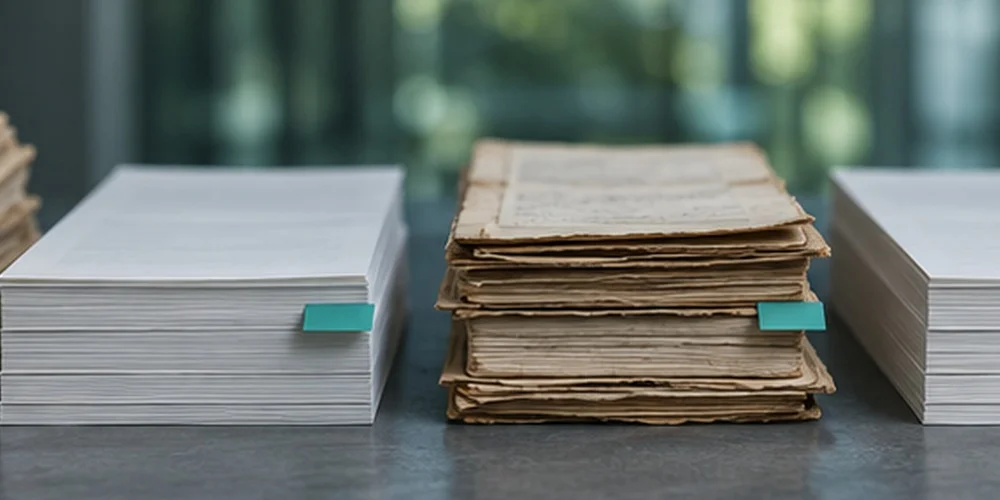
A change to an access point or a single business description may affect materials that have already been sent to partners. Keeping the original link and verification date makes it possible to trace updates back to specific articles or communication records. Business materials may be revised as web pages are updated. When using them as a basis for a project, save the original link, the date of access, and the specific passages used. Before citing them again, revisit the original page and check the relevant sections. When a change is found in a name, access point, or description, first record which item has changed, then confirm whether it affects the materials currently in use and the versions already shared. If necessary, send the relevant readers the updated link to the original material. Teams can maintain a concise citation record for key public materials, including the purpose of use, the original link, and the date of the last verification. When a document is updated, priority should be given to checking the versions currently being used for publications, interviews, or project communications, so that outdated links do not continue circulating. When organizing business materials, teams can also clarify who is responsible for checking important pages and which scenarios require the latest version. Project coordination, media interviews, and republication on the official website serve different purposes. When updating descriptions, teams can specify which materials are affected to avoid extending a localized change to the entire business overview. Retain Citation Locations When Updating Business Materials Articles on the Group's official website are often used for client introductions or external communications. If a citation retains the page, paragraph, and access date, it becomes possible to determine whether an update to the page affects key conclusions in an older draft, making it easier to revise only the content that needs changing. For readers who are still consulting older articles, it is important to know when the cited information was valid and whether any subsequent clarification has been published. A traceable link to the original source helps readers verify changes and locate the latest first-hand wording when multiple versions coexist.